

Automated monitoring makes bedside care safer
When someone's health suddenly deteriorates, every minute is crucial for the nurses and doctors treating the patient. MDI Medical, part of the HSL Group, has developed a simple monitoring solution that sends the patient’s vital signs directly into the hospital's monitoring system. It reduces the number of manual steps in record keeping and thus the risk of errors, which helps staff.
Identifying early signs that a patient's condition is deteriorating is crucial for good care provision. That’s why healthcare professionals regularly collect and analyse patients' vital signs, such as heart rate, blood pressure and temperature.
Most hospitals use digital medical records, such as digital Early Warning Score (EWS) systems, to track these statistics. However, in many cases, staff still need to manually enter figures from the measuring equipment into the system. This manual step is time-consuming and increases the risk of errors, which can have serious consequences for patients.
Automation that differentiates – and saves lives
A few years ago, when a new, relatively simple vital signs monitor was launched, the team at MDI Medical in Ireland saw an opportunity to solve some of these challenges. The equipment had been developed mainly for American users and had smart technical features. In Europe, however, the equipment was not used to its full potential.
“It became clear to me that we needed to create a really powerful solution,” explains Brian Anderson, Managing Director of MDI Medical. The key would be connectivity – sending vital signs data directly into digital EWS systems.
A united industry delivers better patient outcomes
Together with the company that manufactures the vital signs monitor, a software company that digitises EWS records, the Irish Health Service Executive (HSE) and local hospitals, MDI Medical embarked on its initiative to remove the manual steps of recording and monitoring vital signs and instead allowing the device to send data directly into the EWS system. This would eliminate transcription errors and free up more time for patient care.
The first installation was a great success and on this basis MDI Medical, together with its partners, further developed both mobile and wall-mounted versions of the solution. These were designed to be naturally integrated into the daily workflows of wards and clinics, so that nurses could use them without having to change the way they care for their patients.
Proven effect for nurses and patients
Today, MDI Medical's solutions are used to monitor patients in hospitals across Ireland. More than 1,000 beds are already connected and thousands more are planned. Research by the HSE shows that the initiative has had a significant impact. The number of manual calculation errors has dropped to zero since the system was introduced, and record-keeping errors have fallen from 49 per cent to zero. Sepsis – a potentially life-threatening condition that can deteriorate within hours – can now be detected earlier through automated and consistent monitoring. Nurses report feeling more confident and effective in their work. The system leads to safer care, earlier intervention and better overall patient outcomes.
MDI Medical has been recognised for its work through two prestigious health technology awards in Ireland. But it’s not the prizes that are the most important results for the team. It’s the lives that can potentially be saved through earlier detection, the reduction of preventable complications and a way of working that enables nurses and doctors to act more quickly and effectively when a patient's condition deteriorates.
“Listening carefully to what clinicians actually need is a key part of our approach,” Brian emphasises. “This isn’t just some-thing we say – it's confirmed in the feedback we get from hospitals and the impact we see on patient outcomes.”
Read more about us
Our companies
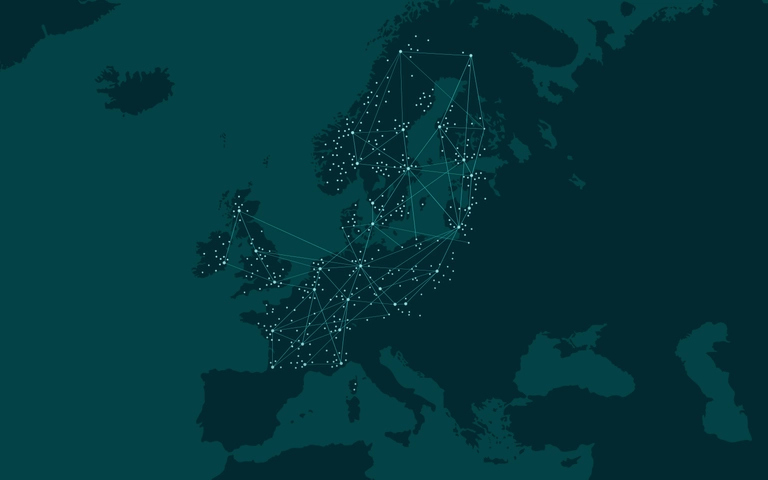
The companies in our group all work in close partnership with healthcare providers and their patients to achieve improved patient outcome, reduced total cost of care and ensuring a fair and sustainable value chain.
Sustainability
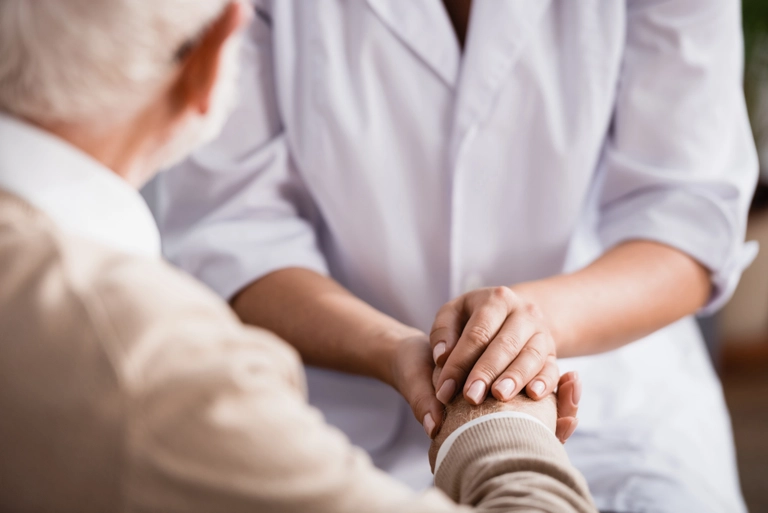
Asker’s position at the centre of the value chain creates a unique opportunity to drive progress in sustainability along with our partners and suppliers, and also to develop our own product range to help lessen climate impact.

History
We have during the past years evolved from having a Nordic focus within selected areas under one brand to become the Asker Healthcare Group with a pan-European operation including a wide range of products and solutions.